
When Loud Places Lead to Meltdowns, It’s Not “Just a Phase”
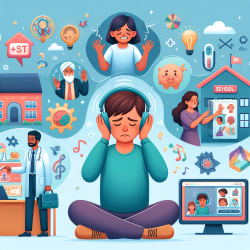
You walk into a busy restaurant, a school gym, a birthday party, or even a crowded grocery store—and suddenly your child is crying, yelling, covering their ears, refusing to move, or trying to bolt. In the moment, it can feel confusing, embarrassing, and heartbreaking. You might wonder: Why is this happening? Is my child being dramatic? Did I do something wrong?
As someone with a special education background, I want to offer a reframe that often brings families real relief: many children who melt down in loud places aren’t choosing to “act out.” They are communicating that their nervous system is overwhelmed.
A meltdown is different from a tantrum. A tantrum is typically goal-driven (a child wants something). A meltdown is often stress-driven (a child’s system has exceeded what it can handle). Loud environments can push some children past their coping threshold quickly.
What a Noise-Triggered Meltdown Can Mean
Noise-related meltdowns can have several causes, and sometimes more than one is happening at the same time. Below are common explanations that schools and therapists consider when a child struggles in loud environments.
1) Sensory Overload (Auditory Sensitivity)
Some children process sound differently. What feels like “background noise” to one person can feel like a wall of sound to another—sharp, unpredictable, and impossible to ignore. Cafeterias, assemblies, hallways during passing time, and playgrounds are common triggers.
Signs that point toward auditory sensitivity include:
- Covering ears, wincing, or crying when noise increases
- Becoming distressed in echoey spaces (gyms, cafeterias, bathrooms)
- Difficulty focusing when multiple people are talking
- Seeming “on edge” or irritable before a meltdown happens
2) Anxiety and Uncertainty in Busy Environments
Loud places are often unpredictable. There are lots of people, quick transitions, unclear expectations, and sudden sounds. For some children, the noise is only one part of a bigger stress pattern—crowds, waiting, changes in routine, or fear of the unexpected.
In these cases, a meltdown may be the child’s nervous system saying, “I don’t feel safe or in control right now.”
3) Communication Challenges
If a child has difficulty expressing needs, describing discomfort, or asking for a break, their body may communicate for them. This is especially true for children with speech and language challenges, social communication differences, or limited ability to identify and label feelings (sometimes called emotional literacy).
In loud places, communication becomes harder for everyone. Noise reduces a child’s ability to process language, follow directions, and find the words they need—raising frustration fast.
4) Difficulty Filtering Sounds (Auditory Processing Differences)
Some children hear normally but struggle to sort and interpret what they hear, especially in noisy settings. They may not be able to “tune out” background noise, which can make directions feel confusing or overwhelming.
You might notice:
- “They can hear you at home, but not at school.”
- They frequently say “What?” or misunderstand multi-step directions.
- They appear distracted or shut down in noisy rooms.
5) Neurodivergent Sensory Needs (Including Autism and ADHD)
Many autistic children and children with ADHD experience sensory differences. Loud, crowded environments can quickly overload attention and regulation systems. This does not automatically mean a child is autistic or has ADHD—but it does mean their sensory and regulation needs deserve thoughtful support.
6) Hearing-Related Factors
Sometimes, discomfort in loud environments can be linked to hearing issues, ear infections, or sound sensitivity (hyperacusis). If your child frequently complains of ear pain, has a history of ear infections, or reacts strongly to everyday sounds, it’s worth discussing with your pediatrician or an audiologist.
Meltdown vs. Tantrum: A Quick, Helpful Distinction
It’s common for adults to misread a meltdown as “misbehavior.” Here’s a practical way to tell the difference:
- Tantrum: Often stops when the child gets what they want or when an audience is gone. The child can usually still negotiate or bargain.
- Meltdown: The child looks overwhelmed, panicked, or “checked out.” Reasoning doesn’t work well in the moment. They may not be able to stop even if they want to.
This distinction matters because the response should be different. Consequences and lectures rarely help during a meltdown. Regulation and safety do.
What You Can Do in the Moment (Practical, Real-World Strategies)
When your child is melting down in a loud place, your goal is not to “teach a lesson.” Your goal is to reduce overload and help them recover.
- Lower the sensory load: Step outside, move to a quieter corner, or go to the car for a reset.
- Use fewer words: In overload, language can feel like more noise. Try short, calm phrases like “I’m here” or “Let’s take a break.”
- Offer a predictable action: “Hands on ears, then outside” or “Drink of water, then breathe.”
- Provide a calming tool: Noise-reducing headphones, a hat/hood, a chewy necklace (if appropriate), or a small fidget can help some children.
- Focus on safety first: If your child bolts, prioritize staying close and moving to a safer space rather than correcting behavior in the moment.
How to Prevent Future Meltdowns (Before You Even Leave the House)
Prevention is where families often see the biggest improvements. Think of it as building a plan that protects your child’s “sensory budget.”
Try a simple plan: Prepare, Protect, Practice
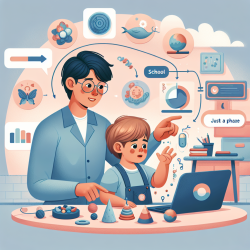
- Prepare: Tell your child where you’re going, what it might sound like, and what the exit plan is. Visual schedules can help.
- Protect: Bring supports (headphones, comfort item, snack, water). Choose seating away from speakers or high-traffic areas.
- Practice: Start with shorter visits to loud places and build tolerance gradually—leaving on a “success” before overload hits.
Watch for early warning signs
Many children show subtle signals before a full meltdown. Common early signs include pacing, irritability, repeated questions, covering ears, becoming silly or “wild,” or suddenly refusing simple requests. Catching these early allows you to take a break before the tipping point.
What Schools Can Do (And What to Ask For)
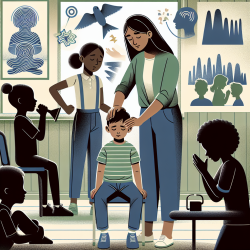
If your child struggles with loud environments at school—cafeteria, assemblies, music class, hallways—support can often be built into their day. You can ask the school team about accommodations and skills-based supports.
Helpful school supports may include:
- Access to a quiet space or planned sensory breaks
- Noise-reducing headphones during high-noise times
- Alternative lunch setting or staggered transitions
- Previewing fire drills and offering a plan for drills
- Visual schedules and clear routines to reduce uncertainty
- Teaching self-advocacy phrases like “Too loud” or “Break please”
Depending on your child’s needs, they may benefit from services that support communication, self-regulation, and participation in school routines. Speech-language pathologists can help with functional communication, emotional vocabulary, and self-advocacy language. Occupational therapy often supports sensory regulation strategies. School teams may provide formal plans such as a 504 plan or an IEP when appropriate.
When to Seek Extra Support
Consider reaching out for professional guidance if:
- Meltdowns are frequent, intense, or increasing over time
- Your child avoids school, community outings, or social events due to noise
- The distress interferes with learning, friendships, or family routines
- You suspect hearing concerns, sensory processing challenges, anxiety, or communication difficulties
Getting support doesn’t mean something is “wrong” with your child. It means you’re identifying what their nervous system is telling you—and responding with the right tools.
A Compassionate Takeaway
If your child melts down in loud places, it’s often a sign that their brain and body are working very hard to manage input that feels too big, too fast, or too unpredictable. With the right supports, many children learn strategies to cope, communicate their needs earlier, and recover more quickly when overwhelm hits.
For more information, please follow this link.