
Online Therapy for Kids: What It Really Looks Like
Online therapy for kids (often called teletherapy) is exactly what it sounds like: therapy services delivered through secure video technology instead of in a clinic or school office. But what surprises many families and educators is how structured, engaging, and effective online sessions can be when they’re designed specifically for children and supported by the school team.
At TinyEYE, we provide online therapy services to schools, partnering with educators to help students access the support they need. We also offer TinyEYE Therapy Services as an online private therapy option for families who want help outside of school-based services.
Who Is Online Therapy For?
Online therapy can support many students, including those who need speech-language therapy, occupational therapy, mental health support, or other school-based services. It can be a great fit when:
- A school is experiencing staffing shortages or long waitlists
- A student lives in a rural or remote area
- A family needs consistent services despite weather, transportation, or scheduling barriers
- A child benefits from learning in a familiar environment with predictable routines
- Services need to continue during school changes, moves, or interruptions
Most importantly, online therapy is not “one-size-fits-all.” Good teletherapy is individualized, developmentally appropriate, and aligned with the student’s goals and learning needs.
What Happens Before an Online Therapy Session?
Successful online therapy starts before the first video call. Whether services are delivered through a school partnership or privately through TinyEYE Therapy Services, there are a few key steps that set kids up for success.
1) Matching the Right Clinician to the Student
Kids do best when they feel safe, understood, and supported. That’s why clinician matching matters. The therapist reviews the student’s needs, goals, and any relevant background information so the session plan fits the child—not the other way around.
2) Technology Check and Setup
Online therapy typically requires:
- A computer or tablet with a camera and microphone
- Stable internet connection
- A quiet space (at school or at home)
- Headphones (often helpful for focus and privacy)
In school settings, students often join sessions from a designated space with support from school staff. For private therapy, families usually set up a quiet spot at home.
3) Consent, Scheduling, and Clear Expectations
Families and schools need clarity on:
- When sessions occur and how long they last
- Who will be present (student, therapist, and sometimes a facilitator)
- How progress will be tracked and shared
- What to do if the student is absent or technology fails
When expectations are clear, kids feel more comfortable and sessions run smoothly.
What Happens During an Online Therapy Session?
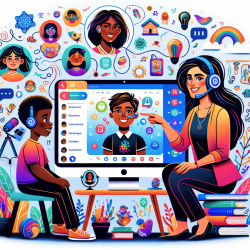
A well-run online therapy session for kids is active and interactive. It is not a passive video call. Therapists use evidence-based strategies and child-friendly digital tools to target specific goals while keeping students engaged.
The Typical Session Flow
Warm-up and connection: The therapist greets the student, checks in, and reviews what they worked on last time. This helps kids transition into “therapy mode.”
Goal-focused activities: The therapist guides the student through activities aligned to their therapy plan. For example, a speech session might focus on sound production, language skills, fluency, or social communication.
Practice and feedback: Kids get immediate coaching, corrections, and encouragement. Therapists often use visuals, games, and structured practice to help skills stick.
Wrap-up and preview: The session ends with a quick review of progress and what will happen next time. Many therapists also share a simple “carryover” idea to practice between sessions.
How Kids Stay Engaged Online
Engagement is one of the biggest questions adults have—and one of the biggest strengths of quality pediatric teletherapy. Therapists can use:
- Interactive digital activities and visuals
- On-screen drawing, highlighting, and sorting tools
- Short, varied tasks to match attention spans
- Movement breaks and sensory strategies when appropriate
- Child choice (for example, picking the order of activities)
For many students, the screen itself can increase motivation. The key is that the therapist is trained to use the platform intentionally, not just “talk through” a session.
What About Privacy and Safety?
Online therapy for kids should be delivered through secure technology with strong privacy protections. In school settings, sessions are typically supported by school procedures and appropriate supervision. For private services, families should expect clear communication about privacy, consent, and how information is stored and shared.
Who Helps the Student During School-Based Online Therapy?
In many school-based teletherapy models, a trained on-site support person (often called a facilitator) helps students log in, stay on task, and transition back to class. This support can be especially helpful for younger students or those who need extra structure.
The facilitator’s role may include:
- Helping the student get to the therapy space on time
- Troubleshooting basic tech issues
- Providing prompts or redirection when needed
- Supporting behavior and attention in a positive, consistent way
- Communicating practical updates between the therapist and school team
This team approach is one reason online therapy can integrate smoothly into a school day.
How Do Therapists Measure Progress Online?
Progress monitoring is a core part of therapy—online or in person. Therapists track data during sessions, adjust strategies when needed, and document growth over time.
Depending on the service and setting, progress may be shared through:
- Regular updates to school teams and families
- Progress notes and reports
- Goal reviews at set intervals
- Recommendations for classroom or home support
When therapy is aligned with real-life needs—classroom participation, daily routines, and functional communication—progress becomes meaningful and visible.
Common Questions Families Ask (And Practical Answers)
“Will my child actually connect with a therapist through a screen?”
Many kids do. Strong rapport comes from consistency, warmth, and a therapist who knows how to engage children. Over time, sessions become familiar and predictable, which often reduces anxiety and increases participation.
“What if my child struggles with attention?”
Therapists can build sessions with short activities, movement breaks, visuals, and clear routines. In school settings, the on-site support person can also help with focus and transitions.
“What if we have tech problems?”
Tech issues happen. The best programs plan for them with clear troubleshooting steps and backup communication. Often, small fixes (headphones, browser updates, internet checks) solve most problems quickly.
TinyEYE: Online Therapy Through Schools and a Private Option for Families
TinyEYE provides online therapy services to schools, helping districts expand access to qualified clinicians and consistent support for students. For families who want therapy outside the school setting, TinyEYE Therapy Services is also available as an online private therapy option.
Whether services are delivered through a school partnership or privately, the goal is the same: make therapy accessible, engaging, and aligned with what kids need to succeed in real life—at school, at home, and in their communities.
For more information, please follow this link.