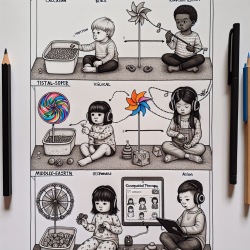
“Is this sensory, or is it just a phase?” is one of the most common questions educators and families ask when a child suddenly starts covering their ears, refusing certain clothes, melting down during transitions, or seeking constant movement. The tricky part is that both can be true: children do go through developmental phases, and sensory needs can also show up (or become more noticeable) at different ages.
The goal isn’t to label every behavior as “sensory” or dismiss it as “typical.” The goal is to understand what the child is communicating, reduce barriers to learning, and support participation at school and at home.
What “sensory” really means (in everyday language)
Sensory processing is how the nervous system notices, organizes, and responds to information from the senses. That includes the senses most people think of (sound, touch, taste, smell, sight) and also “body senses” like:
- Vestibular (movement and balance)
- Proprioception (body position and force—how hard to push, pull, write, or hug)
- Interoception (internal cues—hunger, thirst, needing the bathroom, feeling anxious)
When a child is having sensory-related challenges, it doesn’t mean they’re being “bad” or “dramatic.” It often means their body is getting too much input, not enough input, or input that feels unpredictable—so their brain goes into protection mode.
What people mean by “just a phase”
“A phase” usually refers to a temporary period of development where a child tries new behaviors, tests boundaries, or reacts strongly to change. Phases are common during big growth periods (starting school, new routines, language leaps, changes at home, or after long breaks).
Phases often improve with consistent routines, clear expectations, and time. But even if something is “a phase,” children still benefit from supportive strategies while they’re in it.
Sensory vs. phase: a practical way to think about it
Instead of asking, “Is it sensory or a phase?” try asking:
- What is the pattern? When does it happen, and what seems to trigger it?
- How intense is it? Is it mild discomfort or a big reaction that disrupts learning?
- How long has it been going on? Days, weeks, months?
- Does it show up in multiple settings? School, home, community?
- Is it getting better, staying the same, or getting worse?
- Does it limit participation? Can the child still join activities, learn, and connect with peers?
These questions help teams move from guessing to observing. And observation is where good support begins.
Common signs it may be sensory-related (especially in school)
Many sensory needs are easiest to spot in busy environments like classrooms, hallways, cafeterias, and gyms. Look for patterns like these:
Sound (auditory) sensitivities
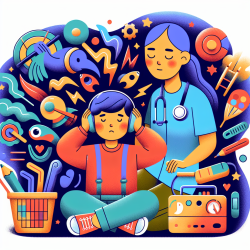
- Covers ears during assemblies, lunch, or fire drills
- Startles easily at sudden noises
- Becomes dysregulated during group work or noisy centers
Touch (tactile) sensitivities or seeking
- Refuses certain clothing textures, tags, socks, or uniforms
- Avoids glue, paint, sand, or messy play
- Touches everything, leans on others, or invades personal space
Movement needs (vestibular/proprioceptive)
- Constantly fidgets, rocks, bounces, or leaves their seat
- Seeks crashing, jumping, spinning, or rough play
- Seems “low energy” and needs frequent movement to stay alert
Visual sensitivities
- Gets overwhelmed by cluttered walls or busy worksheets
- Struggles under bright lights or with screen glare
Interoception and regulation
- Doesn’t notice hunger, thirst, or bathroom needs until urgent
- Big reactions that seem “out of proportion” to the situation
- Difficulty calming down once upset
One important note: sensory needs can look like attention issues, defiance, anxiety, or “immaturity.” That’s why it helps to look at triggers and environments rather than focusing only on the behavior.
Signs it may be more likely a temporary phase
Some behaviors are more likely to be developmental when they:
- Started recently after a change (new class, new teacher, schedule shift, family change)
- Are inconsistent and don’t follow a clear sensory pattern
- Improve noticeably with predictable routines and practice
- Show up mainly in one situation (for example, only at bedtime or only during one class)
- Respond well to typical behavior supports (visual reminders, positive reinforcement, clear transitions)
Even then, keep watching. A “phase” can still reveal skill gaps (like coping skills, communication, or flexibility) that deserve support.
A quick “sensory detective” checklist for educators
If you’re seeing a behavior repeatedly, try tracking it for 1–2 weeks using a simple ABC approach:
- A = Antecedent: What happened right before? (noise, transition, demand, crowded space)
- B = Behavior: What did you see? (covering ears, running, crying, refusal)
- C = Consequence: What happened after? (break, attention, removed from task, calming strategy)
This helps teams see whether the behavior is a communication of “too much” or “not enough,” and whether the environment is accidentally reinforcing the pattern.
Simple supports that help either way
The good news: many strategies support both sensory needs and developmental phases. Here are school-friendly options that can be tried (and adjusted) without singling a child out.
1) Make transitions easier
- Use a visual schedule or “first/then” board
- Give a 2-minute warning before switching tasks
- Assign a predictable transition job (line leader, door holder, materials helper)
2) Offer movement in purposeful ways
- Short movement breaks (wall push-ups, chair push-ups, carry books)
- Flexible seating options when available (stool, wobble cushion, standing spot)
- Classroom errands that involve heavy work (stacking chairs, delivering bins)
3) Reduce sensory “surprises”
- Preview loud events (assemblies, drills) and offer a plan
- Create a quiet corner or calm space with clear rules for use
- Use consistent cues (same song, same phrase) to signal changes
4) Support communication and self-advocacy
- Teach simple scripts: “Too loud,” “I need a break,” “Can I try again?”
- Use emotion and body signal charts (zones, feelings thermometers)
- Offer choices that still meet the goal (pencil or marker, desk or table)
When to consider extra support (and why it matters)
It may be time to consult a specialist when:
- The behavior is intense, frequent, or escalating
- The child is missing learning time or avoiding key activities
- Peers are affected (conflict, safety concerns, social isolation)
- Strategies help only briefly, or not at all
- The child shows signs of ongoing distress (sleep issues, chronic anxiety, frequent shutdowns)
Support might include occupational therapy strategies for sensory regulation, speech-language therapy for communication and self-advocacy, or a broader team approach to help the child succeed across settings.
How online therapy can help schools respond faster
For school teams, timely support matters. When a child is struggling, educators often need practical strategies they can use right away, plus guidance on what to track and how to adjust supports.
Online therapy services can help by:
- Providing access to qualified clinicians when local staffing is limited
- Supporting educators with coaching and classroom-ready strategies
- Helping teams document patterns and progress over time
- Collaborating with families to create consistent routines across home and school
At TinyEYE, we work with schools to deliver online therapy services that fit real classroom needs—supporting students in ways that are practical, measurable, and focused on participation.
Bottom line: don’t wait for “phase” or “sensory” to be proven
If a child is struggling, they deserve support now. Whether it’s sensory processing, a developmental phase, stress, skill gaps, or a mix of everything, the best next step is the same: observe patterns, adjust the environment, teach coping tools, and collaborate as a team.
And remember: when adults shift from “What’s wrong with this behavior?” to “What is this behavior telling us?” kids often feel safer—and safer kids learn better.
For more information, please follow this link.